Relocating Overseas After FIRE: Recommended Countries, Essential Preparations, and Pitfalls to Avoid
Did you know that relocating overseas is a compelling life plan after achieving FIRE (Financial Independence, Retire Early)?
Southeast Asian countries, in particular, have become a focal point for those seeking a leisurely "second life." These nations often offer a lower cost of living than Japan and have relatively low hurdles for obtaining long-term residency visas.
While the phrase "overseas relocation" sounds glamorous, a lack of preparation can lead to failure—be it cultural misalignment or unexpected expenses.
In this article, I will explain the recommended countries for post-FIRE relocation, essential preparations, and critical points to ensure your transition is a success.
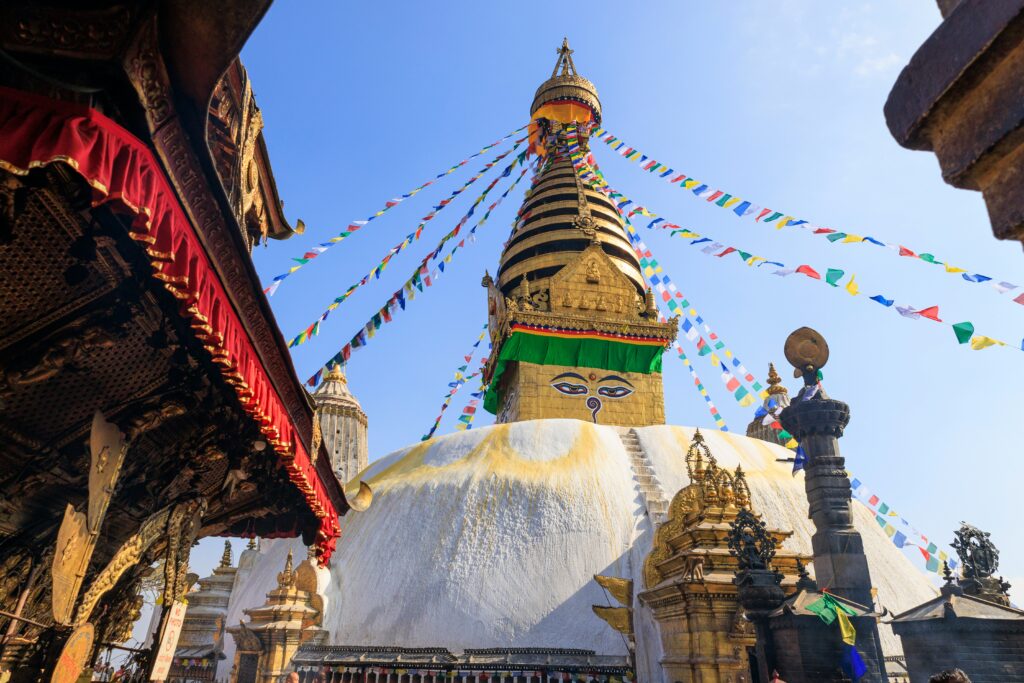
Recommended Countries for Post-FIRE Relocation
As mentioned, Southeast Asia is the most popular destination for FIRE practitioners.
Beyond the low cost of living and flexible visa requirements, the ease of access back to one's home country is a significant advantage.
Based on cost, safety, and overall lifestyle quality, here are my top three recommendations:
- 1. Thailand
- 2. Malaysia
- 3. Cambodia
Below I would like to explain why I recommend each country.
1. Thailand
Home to approximately 80,000 Japanese residents (including expats), Thailand is a perennial favorite in relocation media.
The primary draw is the low cost of fixed expenses—such as rent, utilities, and telecommunications—compared to major global cities like Tokyo.
The high concentration of Japanese restaurants and supermarkets makes daily life convenient.
Various long-term visas are available based on age, savings, or income.
While the medical standards are high and Bangkok is more cosmopolitan than many regional cities in Japan.
English proficiency among the general population is among the lowest in Southeast Asia. Learning basic Thai is highly recommended.
2. Malaysia
Bordering Thailand, Malaysia is known for its relatively lenient visa requirements.
Kuala Lumpur boasts a well-developed transportation network, making daily life seamless.
Similar to Bangkok, the presence of Japanese department stores and supermarkets is a plus.
Malaysia’s multicultural society means English is widely spoken alongside Malay, easing communication barriers.
However, due to its Muslim majority, alcohol is highly taxed and not served in many restaurants, which may impact the cost of living for regular drinkers.
3. Cambodia
Cambodia offers very flexible visa requirements, making it an accessible destination.
With living costs lower than Thailand or Malaysia, one can enjoy a comfortable lifestyle on a modest budget.
The capital, Phnom Penh, hosts many Japanese companies and residents.
The unique advantage of Cambodia is the widespread use of the US Dollar; opening a local account allows you to save in USD.
With fixed-term deposit rates often exceeding 5%, it is possible to cover living expenses solely through interest.
Conversely, the country is still developing, and the lack of direct flights from Japan remains a consideration.
Essential Preparations for Post-FIRE Relocation
Next, I would like to explain the preparations you should make before moving abroad. If you proceed without being clear about this, you may end up incurring unnecessary expenses after moving, or your plans may be delayed due to difficulties with the procedures, which could lead to failure and regret.
Thorough research is mandatory.
Confirm Visa Requirements
Check the specific conditions for long-term residency visas.
Beyond fees and paperwork, some visas require proof of income or a minimum balance in a local bank account. Calculate these costs upfront.
Calculate Necessary Capital
In addition to the cost of the visa, you should calculate other initial costs and monthly living expenses in advance.
In Thailand, for example, a comfortable life for an expat costs roughly $1,000–$1,500 (approx. 150,000 JPY) per month.
Following the "4% Rule" of FIRE theory, you would need roughly $450,000 (25 times your annual expenses) to sustain this lifestyle.
The aforementioned 150,000 yen is just a guideline, and it is possible to cut back even more. On the other hand, if you are not used to living abroad, you may end up spending more than you expected.
You need to calculate the costs with a margin of error, taking into account your lifestyle and what you want to do while living abroad.
For more information on the FIRE theory, please refer to our previous article.
What is Side FIRE? The Definition and Benefits of Starting the Path to Financial Freedom
Securing remittance lines and maintaining various accounts
Many banks and securities companies will cancel your account if you remove your residence registration from Japan to emigrate, so you need to complete the procedures to maintain your account while you are still in Japan.
You should also research in advance how to send money from Japan to overseas and take the associated fees into account as necessary costs.
You can also choose to move without cancelling your residency, but in that case, keep in mind that you will have to pay various taxes every month.
Pitfalls to Avoid: 3 Rules for Success
Finally, I would like to summarize three points to keep in mind to avoid failure when moving abroad.
1.Do Not Blindly Trust Online Information
Not everything on the internet is accurate.
For instance, you may hear that one can live in Thailand for "$400 a month."
While technically possible, it is nearly impossible for an expat to live a stress-free, comfortable life on that amount. Verify the source and cross-reference data.
2.Never Move to a Country You Haven't Visited
Do not choose a destination based solely on influencers or articles.
You must experience the local environment personally.
Use the strength of your passport to stay for 1–2 months without a visa first.
A "trial stay" is the only way to determine if you can truly live there.
3.Use Realistic Financial Simulations
Life overseas involves irregular expenses.
How much is medical care if you fall ill? Is eating local food every day realistic for you? How often will you fly home? What if the currency weakens further? Your simulation must account for these "what-if" scenarios.
Summary
In this article, we explain recommended countries, things to be careful of to avoid failure, and preparations you should make in advance for those who are interested in moving abroad after achieving FIRE.
Relocating overseas after FIRE can initially be more expensive than staying in your home country due to setup costs. Proceed with caution.
However, leaving your home country to build a life elsewhere requires a certain level of decisiveness.
If you have lingering anxieties, start with a one-month short-term stay.
Author: Yuki Ishida
Writer based in Thailand
In 2017, I fulfilled my long-cherished desire to move to Thailand and have been working as a sales and career consultant at a Japanese staffing company there.
I began my activities as a writer in 2019 and mainly share information useful for living in Thailand and moving abroad through both domestic and international media. Based on my own experience of relocating overseas, I strive to provide realistic information to help those planning to move abroad avoid regrets, and I write with this motto every day.
The media I have contributed to so far are not limited to Thailand-related topics, but also cover a wide range including domestic and international travel, local governments, food manufacturers, and educational institutions.

