How to Identify "Lifelong Assets" Discovered in Mukojima and Oshiage: Katsu Kaishu's Perspective and the Essence of Rattan Craftsmanship
Walking Through "Eras" at the Foot of Skytree
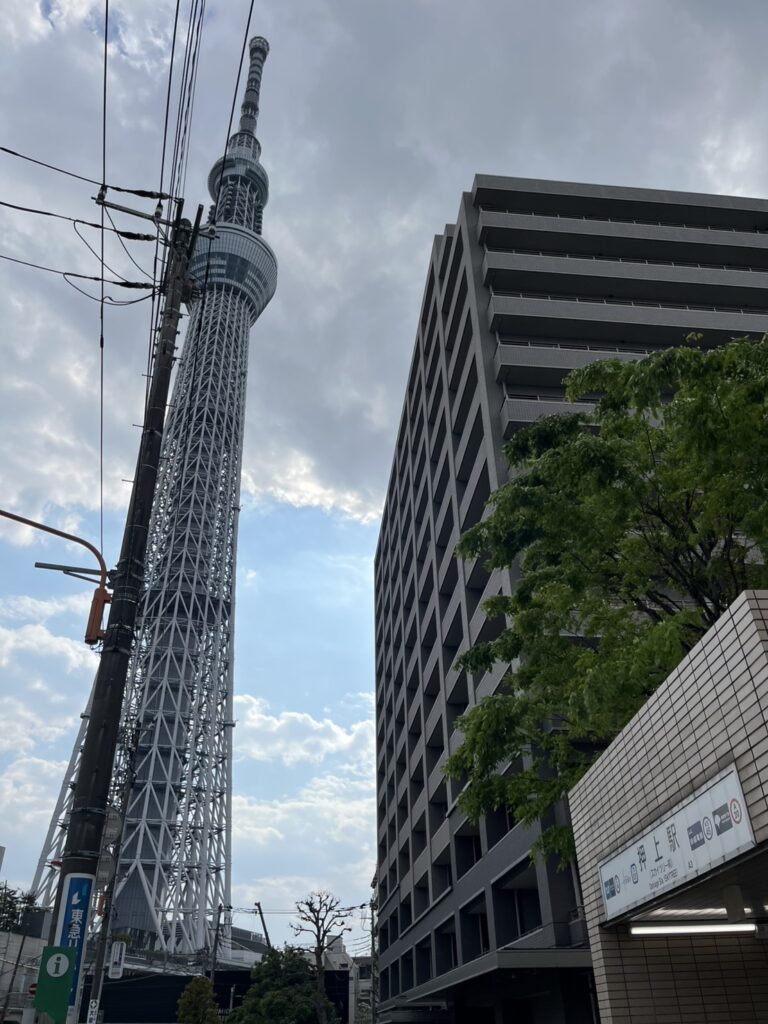
I stepped out at Oshiage Station on the Hanzomon Subway Line. Looking up, the Tokyo Skytree, a symbol of modern architecture, towers as if piercing the clouds. However, just a few minutes' walk from the glitz and bustle of Solamachi reveals the old streets of the "shitamachi" downtown, where the lingering scent of the Showa era remains.
I cannot help but feel that the contrast between this modern landmark and these historic back alleys symbolizes Japan today. I decided to immerse myself in the soil of "craftsmanship" that still breathes in this land.

👉Kindle EditionModern Kibyoshi Vol. 1: Hack CapitalismDiscover the complete story。
Traditional Craftsmanship: The Antithesis of "Scrap and Build"
While walking around Mukojima, a handmade rattan craft shop with 60 years of history caught my eye. Materials born in the tropics are transformed by the hands of Japanese artisans into furniture that can be used for decades.
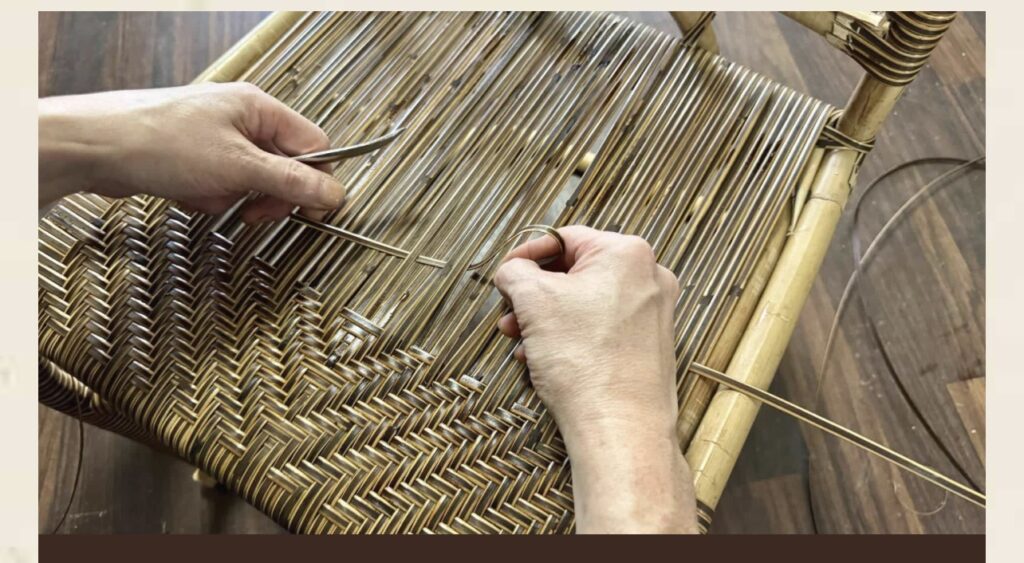
Watching the artisans' handiwork, one can feel the "layering of time." Modern Tokyo is a continuous cycle of "scrap and build," where new buildings are constantly erected and old ones destroyed. However, the world of rattan craft stands at the opposite pole.
This is a truth that also applies to asset management. Many people cannot escape the cycle of "buying cheap goods repeatedly (consumption)." But to build a truly rich life, the perspective of "owning things with lasting value (investment)" is indispensable. The ability to discern "assets" that last a lifetime, rather than fleeting trends. That is the first step of the "investor mindset" to conquer capitalism.
The craft shops I visited this time:Omine Rattan
2-10-15 Oshiage, Sumida-ku, Tokyo 131-0045
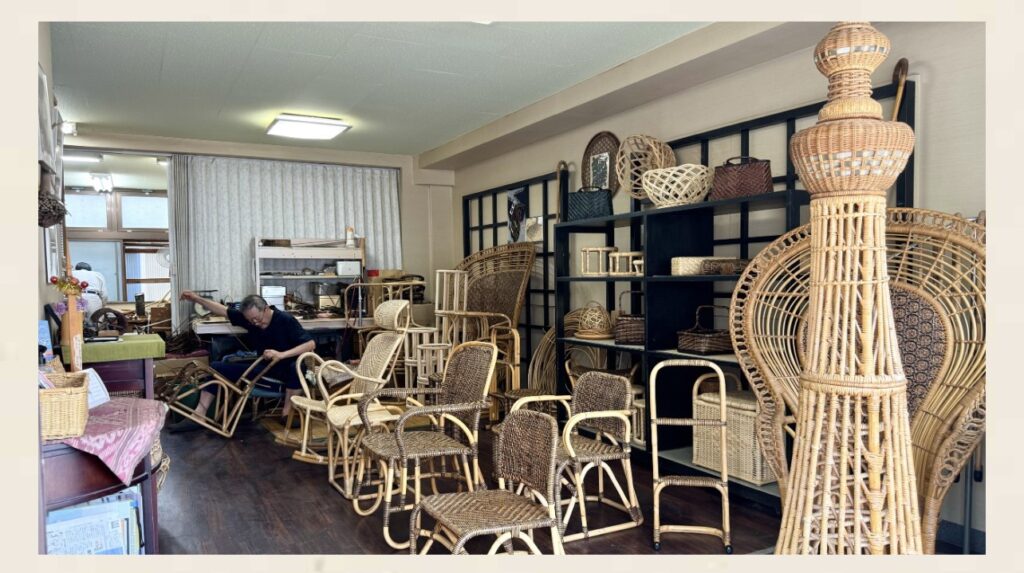
*This video was created using AI. Some details may differ from those of the actual store.
Redefining Talent: A Perspective Toward Global Niches
Despite possessing magnificent skills, many traditional crafts suffer from a lack of successors and shrinking markets. However, if you change your viewpoint, the scenery transforms completely.
The characteristics of rattan—toughness, breathability, and natural composition—are the very sustainable values that the global wealthy are seeking right now. I felt that by reaching out to the "Global Wealth" rather than clinging to a "Stagnant Market," this drying well holds the potential to turn into an "Infinite Fountain of Wealth."
Katsu Kaishu's "High Perspective" and the Power of Transformation
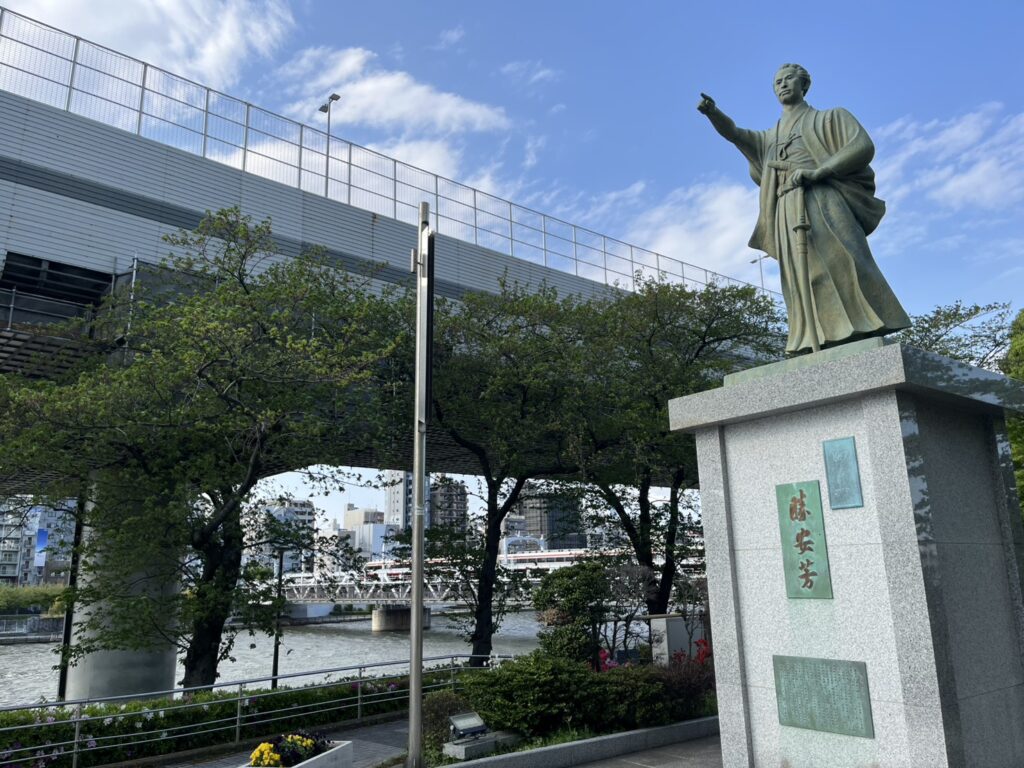
Walking along the Sumida River, I came across the bronze statue of Katsu Kaishu, a great man born in this land. Although a vassal of the Shogunate, he was not bound by its prestige and always viewed the world from the high perspective of a "Japanese citizen."
Like many heroes of the late Edo period, Katsu Kaishu was a man who carved out his own destiny by studying Rangaku (Western studies), the cutting-edge knowledge of the time. Without him, there would have been no bloodless surrender of Edo Castle, nor the subsequent dawn of modern Japan. The current Reiwa era is very similar to the eve of the Meiji Restoration. The era of the Samurai (the lifetime-employment salaryman) is ending, and a new way of living is required.
5. Conclusion: To Seize True Freedom
What I reaffirmed during this stroll is that cities, technology, and life itself always require updates. "Maintaining the status quo is the same as regression."
Graduate from mindless automated savings and blind obedience to organizations, and cultivate the ability to judge with your own mind.
While many salarymen often feel they are living their lives as "consumables," I found "accumulated value" in the Mukojima area. In today's world, where information moves too fast, many find it difficult to distinguish between "temporary trends" and "permanent assets." However, Mukojima's rattan craft is something whose value increases over time and can be used for a lifetime with care. When we combine the dedication of artisans protecting tradition with the broad vision of Katsu Kaishu, we will truly be able to navigate the rough waves of capitalism and seize true freedom.

■Author Profile
About the Author Kenji Kamioka
AFP (Certified by the Japan Association for Financial Planners), Licensed Real Estate Transaction Specialist
President and CEO of Julius Co., Ltd.An investor and media owner with over 10 years of business management experience in Asian countries: Thailand, and Vietnam. While actively managing real estate and financial assets through his own company, he promotes a lifestyle that leverages the structure of capitalism. He has authored numerous books.
▶ [Click here for author profile details.]
▶ [See the list of works here]