The "Fountain of Independence": Walking the Roots of Modern Japan in Tsukiji and Teppozu
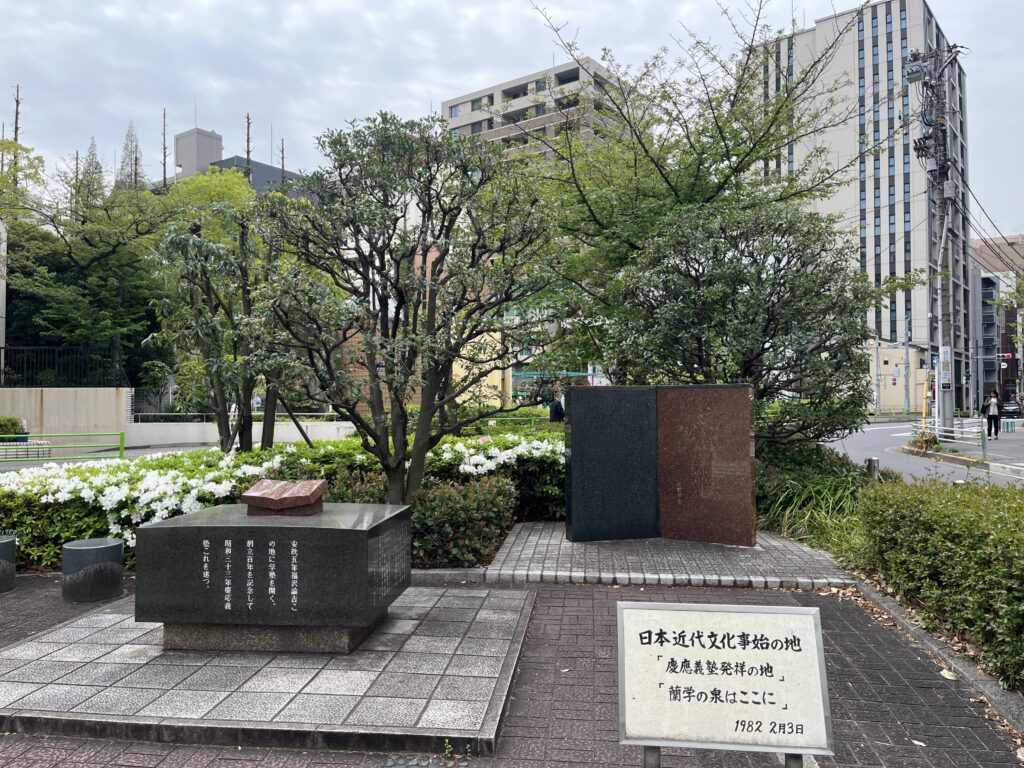
Discovering the Birthplace of Modern Intelligence Having business at the pension office in Chuo-city, I emerged from the subway at "Tsukiji" Station. Amidst the urban clamor, I stopped my feet at a modest stone monument standing quietly. "The Birthplace of Modern Japanese Culture." It was then I realized for the first time that this was the "Birthplace of Keio University."
I had always assumed the hall of learning was in Mita from the start. But this sanctuary was born within the Nakatsu Domain's middle residence—from "inside the organization." Fukuzawa Yukichi and a few disciples gave the school its first breath of life here.

👉Kindle EditionModern Kibyoshi Vol. 1: Hack CapitalismDiscover the complete story。
The "Fountain of Dutch Studies" Breathed Life into Japan's Enlightenment
The words carved on the monument, "The Fountain of Dutch Studies starts here," are deeply impressive.
Rangaku (Dutch Studies) was the study of Western knowledge through the Dutch language. In the late Edo period, surrounded by the thick walls of national isolation (Sakoku). Our ancestors desperately absorbed global knowledge through the limited window of Rangaku
I immediately associated the term "Rangaku" with the Tekijuku school. And I recalled that Fukuzawa Yukichi was an alumnus of Tekijuku.
Tekijuku was a private academy of Dutch Studies opened by Ogata Koan in Osaka. It was an educational institution that produced many prominent figures of the late Edo and Meiji eras. Heroes like Fukuzawa Yukichi, Omura Masujiro, and Hashimoto Sanai studied at Tekijuku. They used Rangaku as a "Fountain" to light the fire of civilization and enlightenment. They achieved a massive system update known as the Meiji Restoration.
Everyone knows Fukuzawa Yukichi, whose portrait is depicted on the 10,000 yen note. He was an enlightenment thinker and educator who was active from the end of the Edo period through the Meiji era. He is famously known as the founder of Keio University.
His masterpiece, "An Encouragement of Learning," begins with the famous line: "Heaven creates no man above another, and no man below another."
Despite being a village doctor, Omura Masujiro led the forces to victory in the Boshin War. I find Murata Zoroku (Omura) amazing for winning actual wars using knowledge gained from academic Dutch Studies. Ryotaro Shiba's novel "Kashin," featuring him as the protagonist, was adapted into a Taiga drama. It remains one of my favorite Taiga dramas to this day.
Hashimoto Sanai also came from a family of doctors but was appointed as the right hand of the Fukui Domain lord. He implemented various reforms by leveraging his intellect.
I believe Japan walked the path of modernization through the power of the "Fountain of Rangaku."
Investment Cannot Be Won by Theory Alone
To be loved by money, one must first understand the "other party." If you unroll the scrolls of history, the true nature of money becomes visible. Money once had physical backing in the form of "Gold" (the Gold Standard). However, through the Nixon Shock, modern money is now sustained by "National Credit and Systems."
Knowing this history explains why currency values fluctuate due to national fiscal anxieties today. It reveals why "Physical Assets" like gold and real estate hold significant value now.
Once you acquire knowledge, you must put it into "practice." Investing is not a subject like Literature or Mathematics. It is a practical subject, like "Physical Education" or "Music." Even if you read "Introduction to Baseball" 100 times, you won't hit a ball unless you swing the bat. A small amount is fine. Actually participate in the market with your own "skin in the game." Hone your physical intuition by being part of the action. That is the only path to becoming a person of true wealth.
Breathing the "Rhythm of Capitalism" from St. Luke's Tower
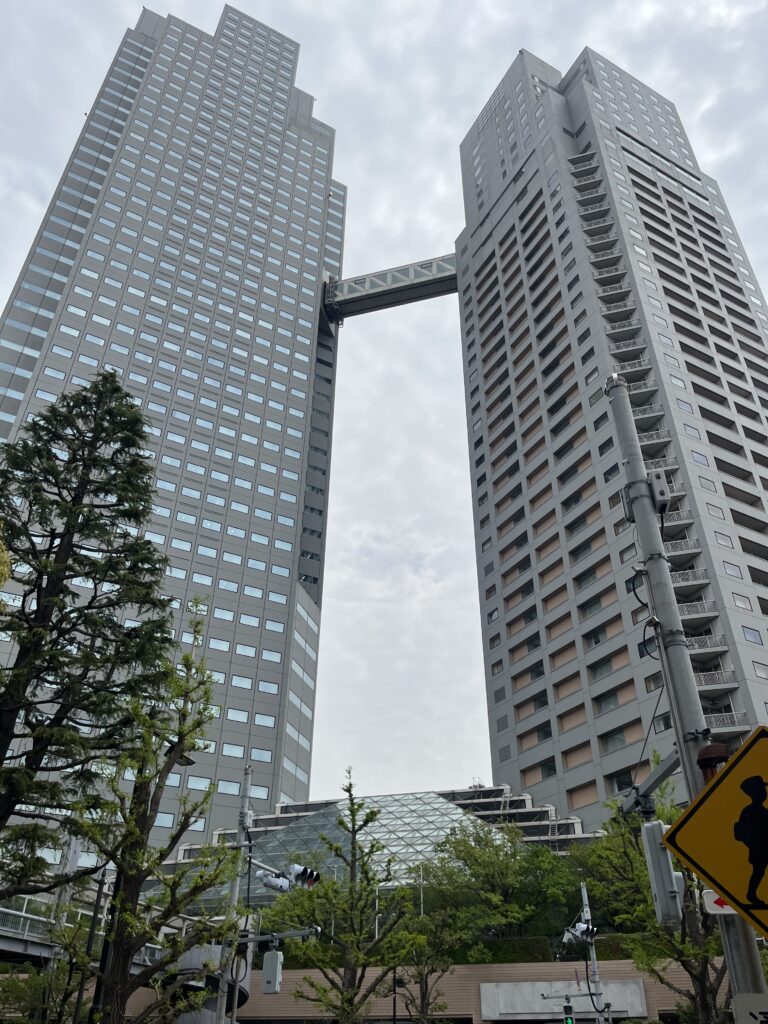
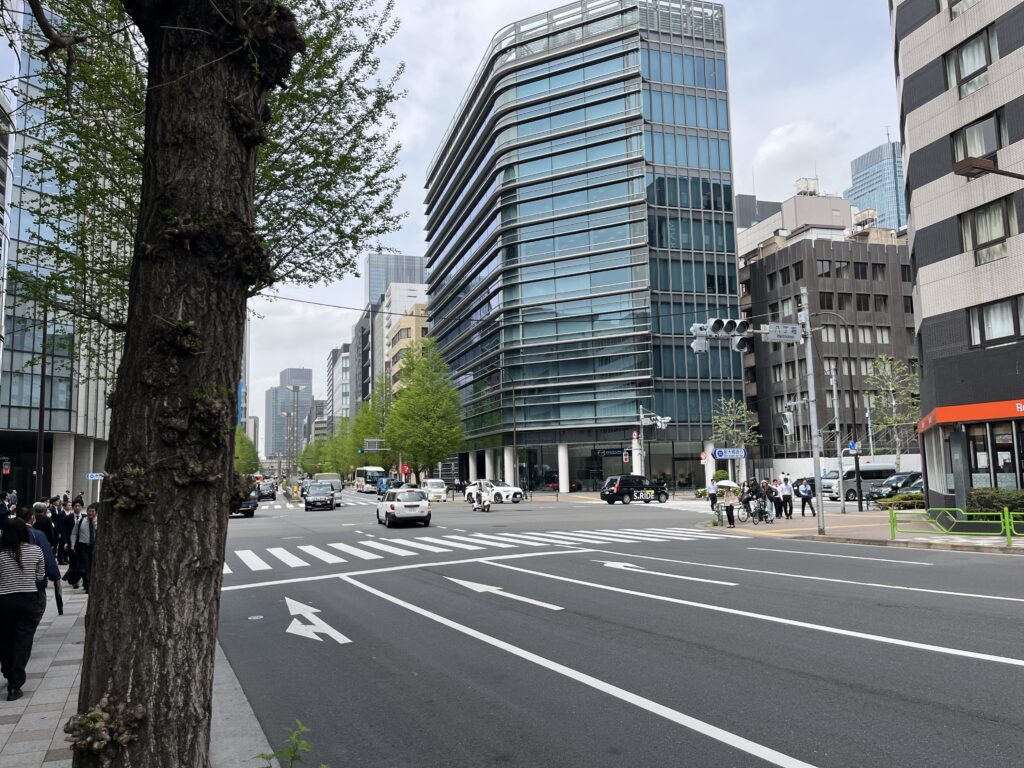
Walking further from Tsukiji, St. Luke's Garden appears—a modern building reminiscent of Malaysia's Twin Towers. Am I the only one who thinks they look similar, especially with the connecting bridge on the middle floors? I have never lived in Malaysia, but I visited several times on business during my posting in Bangkok. When I was traveling through Southeast Asia, it was supposedly the tallest building in the world. Then-Prime Minister Mahathir had proposed the "Look East Policy" and showed great interest in Japan. After Japan's stagnation and Asia's rise, I wonder what the current situation is like. I would like to visit there again soon.
Looking it up, the name "Seiruka" (St. Luke) apparently comes from a figure in the New Testament. I laughed, thinking it’s a typical example of how foreign words end up when converted to Kanji characters. Long ago, St. Paul was martyred by decapitation under Emperor Nero. Since letters at the time were dictated, Luke transcribed Paul's final words. That became St. Paul's final letter to the world. The name, derived from "Luke the Physician," symbolizes the fusion of Western culture and Japan since the Edo era.
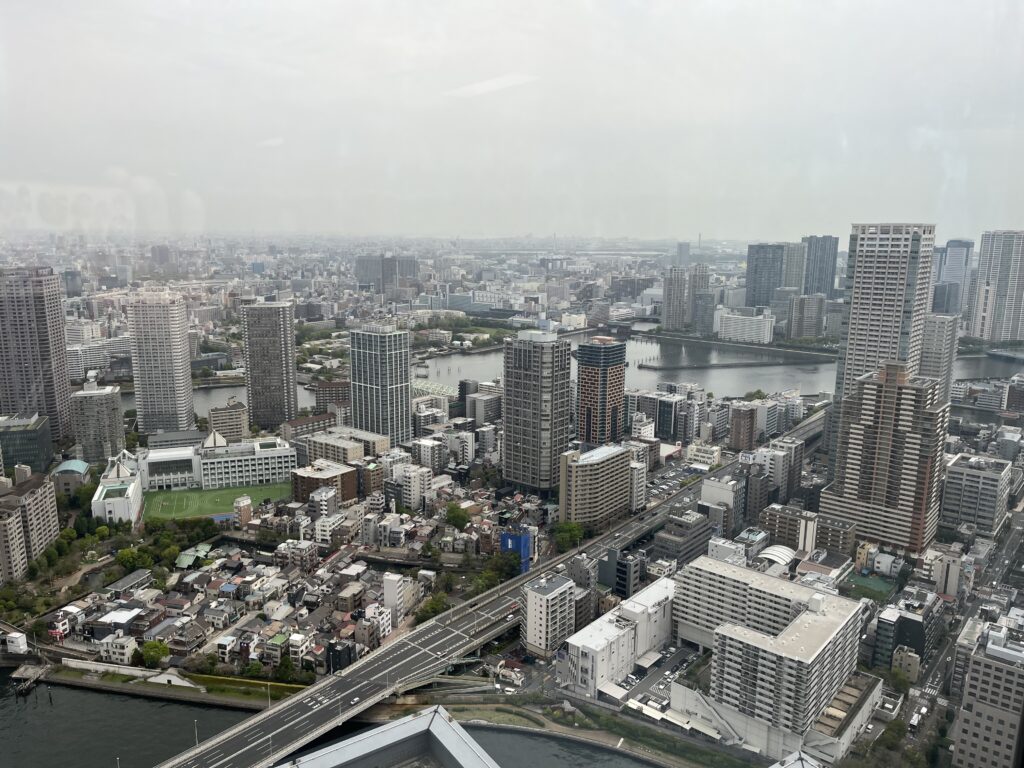
Climbing St. Luke's Tower and looking down at the Tsukudajima area from over 200 meters above. You can see the coexistence of old streets cleared by fishermen brought from Osaka by Tokugawa Ieyasu in 1590. And right next to them stand the towering skyscrapers that symbolize the modern age.
What I Felt at the Torii Gate of Teppozu Inari Shrine
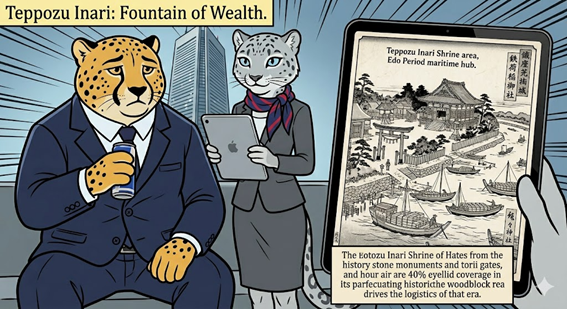
From Tsukiji and St. Luke's, I headed toward Teppozu Inari Shrine. During the Edo period, this was a vital maritime hub where every ship entering Nihonbashi had to stop. There are stone monuments and torii gates donated by many wealthy merchants. You can feel the accumulation of wealth that once supported the logistics of that era.
The path from Tsukiji to St. Luke's and then to Teppozu is not a mere tourist route.
It is the "Invisible Map" itself, connecting the passion of the Meiji Restoration to modern capital formation.
• The "Fountain of Dutch Studies" at the opening of Japan.
・聖パウロが由来の近代的なビル聖路加タワー
• The shrine that enshrines what was once a vital maritime logistics hub.
Summary: Reiwa "Independence and Self-Respect": Survival Strategies for the AI Era
In "An Encouragement of Learning," Fukuzawa Yukichi argued that "acquisition of knowledge" is essential for independence.
かつて「武士」という特権階級が終わったように、現代では「終身雇用」という幻想が崩壊した。デフレからインフレへの一変、そしてAIの登場。これまで安泰だと思われていた高学歴のホワイトカラー層こそ、今、生存が危惧されている。
帰路、南町奉行所の同心で、八丁堀に住んでいた(設定)ことから「八丁堀の旦那」と呼ばれた中村主水が住んでいたとされる八丁堀の交差点を通り過ぎた。ふと、昔のテレビ時代劇『必殺仕事人』を懐かしく思い出した。そう言えば、中村主水は表向きには、しがない勤め人だったが、副業??ではプロフェッショナルな人間だった。今求められている“組織に依存しない「独立自尊」の精神”の持ち主そのものだった。
▪Disclaimer
The information provided on this blog is for educational and informational purposes only and does not constitute professional financial or investment advice. We do not provide third-party asset management or individual management services. Please make investment decisions at your own risk.
■Author Profile
About the Author Kenji Kamioka
AFP (Certified by the Japan Association for Financial Planners), Licensed Real Estate Transaction Specialist
President and CEO of Julius Co., Ltd.An investor and media owner with over 10 years of business management experience in Asian countries: Thailand, and Vietnam. While actively managing real estate and financial assets through his own company, he promotes a lifestyle that leverages the structure of capitalism. He has authored numerous books.
▶ [Click here for author profile details.]
▶ [See the list of works here]